
Installing a walk-in refrigerator typically takes between 1 to 5 days, depending on the size, complexity, and site conditions. A standard 8×10 foot walk-in cooler with proper site preparation can be installed in 1-2 days by experienced technicians. Larger units or those requiring electrical work, plumbing modifications, or structural changes may extend the timeline to 3-5 days.
The installation process involves multiple phases including delivery, assembly of panels, refrigeration system setup, electrical connections, and testing. Pre-installation preparation significantly impacts the overall timeline. Sites with completed electrical rough-ins, level flooring, and adequate space reduce installation time by up to 50%. Professional installation teams like Coast 2 Coast Refrigeration coordinate these phases to minimize downtime for businesses.
Factors That Affect Installation Timeline
Size and Configuration
Smaller walk-in units under 100 square feet generally install faster than larger configurations. Box-style coolers with standard dimensions take less time than custom-shaped units designed to fit irregular spaces. Multi-compartment systems with separate freezer and cooler sections add complexity and time.
Site Readiness
The condition of your installation site directly impacts scheduling. A prepared location with:
- Level concrete flooring (variations under 1/4 inch)
- Completed electrical panel with proper amperage
- Adequate clearance for assembly (minimum 2 feet on all sides)
- Proper drainage systems in place
- HVAC considerations addressed
These preparations can reduce installation from 5 days to 2 days for standard units.
Pre-Installation Requirements
Permits and Inspections
Most commercial installations require permits from local health departments and building authorities. Permit processing takes 1-3 weeks depending on your municipality. Schedule applications well before your planned installation date to avoid delays.
Electrical and Plumbing Work
Walk-in refrigerators need dedicated electrical circuits. A standard unit requires 208-230V three-phase power. If your facility lacks proper electrical infrastructure, add 1-2 days for electrician services. Floor drains may need installation or modification, particularly for units with interior washing capabilities.
The Installation Process Timeline
Day 1: Delivery and Panel Assembly
Installation teams begin by positioning floor panels and assembling wall sections. Standard panel systems use cam-lock or tongue-and-groove connections. An 8×10 cooler’s panel assembly takes 4-6 hours with two technicians. Larger units or those with multiple compartments may require the full first day for panel work alone.
Day 2: Refrigeration System and Final Connections
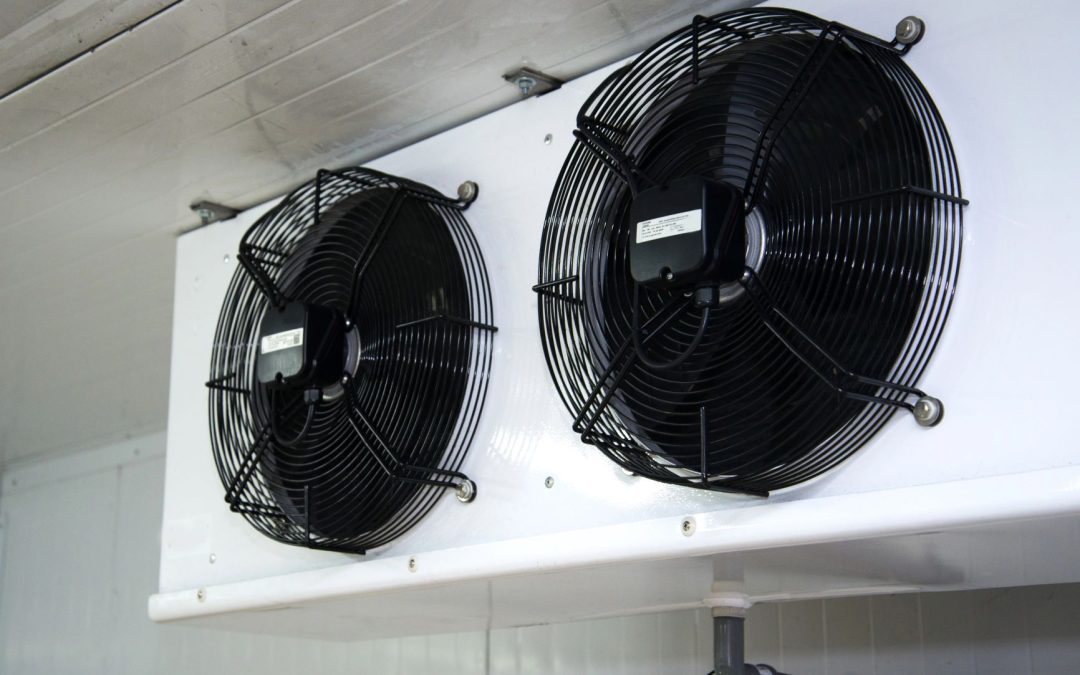
The second day focuses on mounting condensing units, evaporators, and running refrigerant lines. Technicians connect electrical components, install door hardware, and begin system charging. Temperature controllers and safety features are configured during this phase.
Special Considerations for Different Industries
Restaurant Installations
Restaurant walk-ins often require faster turnaround due to business operations. Weekend installations minimize disruption but may increase costs. Kitchen walk-ins need coordination with existing equipment and often require custom shelving installation, adding 2-4 hours.
Medical and Pharmaceutical Facilities
These installations demand precise temperature controls and monitoring systems. Additional validation procedures and documentation requirements can extend installation by 1-2 days. Backup power connections and alarm systems are mandatory, requiring specialized configuration.
Cost Implications of Installation Time
Longer installation periods increase labor costs, which typically range from $1,000 to $3,000 for standard installations. Extended timelines may also mean:
- Additional equipment rental fees
- Lost revenue from business disruption
- Temporary cold storage expenses
- Overtime charges for rushed completions
- Coordination fees for multiple contractors
Planning your installation during slower business periods reduces these indirect costs.
Post-Installation Testing and Training
System Commissioning
After physical installation, systems require 12-24 hours for temperature stabilization and testing. Technicians verify temperature consistency, door seals, defrost cycles, and alarm functions. This testing period ensures your unit meets health department requirements before storing products.
Staff Training
Professional installers provide operation training covering temperature monitoring, basic maintenance, and emergency procedures. This training session takes 1-2 hours and should include all staff members who will interact with the equipment.
Maintenance Considerations After Installation
New walk-in refrigerators need attention during their first month of operation. Schedule a follow-up inspection after 30 days to check door alignment, refrigerant levels, and temperature consistency. Regular maintenance prevents unexpected failures and extends equipment life beyond the typical 15-year expectancy.
Coast 2 Coast Refrigeration specializes in commercial walk-in refrigerator installation and can provide accurate timeline estimates for your specific project. Contact us for a consultation to determine your installation requirements and scheduling options.